Stop Fighting the Slump and Start Understanding It
Look, I need to tell you something that might sound counterintuitive: your reading slump isn’t a character flaw. It’s not evidence that you’re becoming less intellectual or that you’ve lost some essential part of yourself. I’ve watched too many friends spiral into guilt because they went three weeks without cracking a book, as if reading were a daily vitamin they’d forgotten to take.
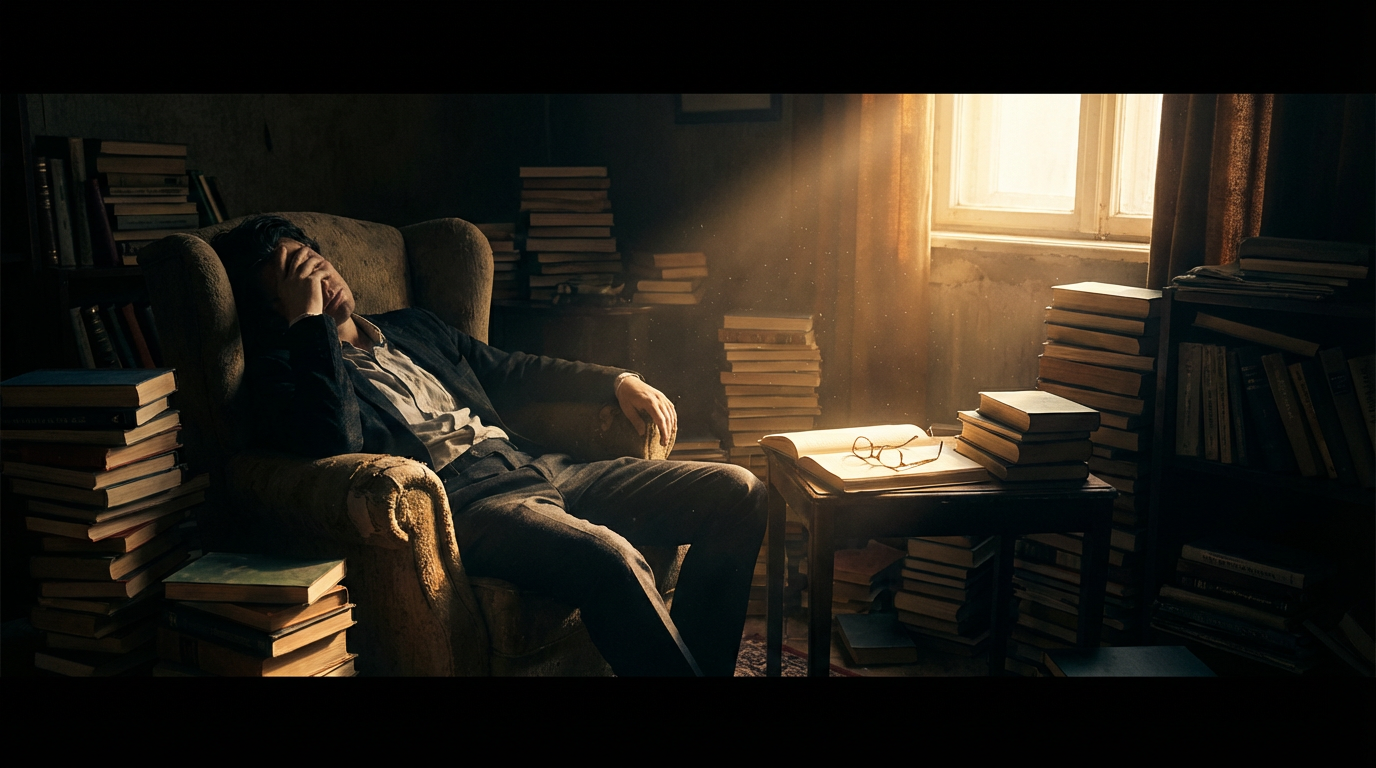
Reading slumps happen for real reasons. Maybe you just finished something that gutted you emotionally and your brain needs time to process. Maybe work has been particularly brutal and you’re coming home with exactly zero mental energy for new worlds. Maybe you picked up three books in a row that just didn’t click, and now you’re questioning your own taste. The first step out of any slump is accepting that it’s temporary and it’s telling you something important about what you need right now.
I’ve been tracking my reading patterns for years, and I’ve noticed that my slumps often follow periods of intense reading or particularly heavy books. Last spring, I devoured Hanya Yanagihara’s “A Little Life” in two days, then couldn’t pick up another book for nearly a month. My brain was still living in that story, still processing all that beautiful devastation. Fighting that would have been like trying to eat a five-course meal when you’re already stuffed.

The Strategic Retreat: Choosing Your Comeback Book
Here’s where most people mess up: they try to break a reading slump with whatever book is sitting on their nightstand or whatever’s trending on BookTok. But getting out of a slump takes some planning. You need a book that meets you exactly where you are, not where you think you should be.
If you’re mentally exhausted, this is not the time to tackle “Gravity’s Rainbow” or finally read “War and Peace.” You need something that feels like a warm hug, not a mountain to climb. I keep a mental list of what I call “gateway back” books. Stories that are engaging enough to pull me in but gentle enough not to demand everything I have. Diana Wynne Jones’s “Howl’s Moving Castle” is perfect for this. So is “The House in the Cerulean Sea” by TJ Klune, or really anything by Agatha Christie if you’re in the mood for puzzles without emotional devastation.
Pay attention to format, too. If you’ve been staring at screens all day, maybe an audiobook is the answer. Sometimes I’ll start a book I’ve read before as an audiobook, just to let someone else’s voice carry me back into the rhythm of storytelling. There’s no shame in rereading comfort books during a slump. Sometimes familiar characters are exactly what your brain needs to remember why it loves stories in the first place.
The Power of the Short Game
One of my most effective slump-breaking strategies is what I call “the short game.” Instead of committing to a 400-page novel, I’ll grab a collection of short stories or essays. There’s something psychologically satisfying about finishing a complete story in one sitting when you’ve been staring at the same page 47 for three weeks.
Alice Munro’s collections are perfect for this, because each story feels substantial but contained. So are Carmen Maria Machado’s “Her Body and Other Parties” or Jorge Luis Borges’s “Labyrinths” if you want something that will make your brain tingle without overwhelming it. Poetry works too. Mary Oliver or Ocean Vuong can remind you that language can be magic without requiring a huge time investment.
Graphic novels deserve a mention here too. Art Spiegelman’s “Maus” or Marjane Satrapi’s “Persepolis” tell complete, complex stories that you can finish in an afternoon. There’s something about the combination of visual and textual storytelling that can kickstart your reading brain when traditional prose feels too dense.
Creating Momentum Through Smart Sequencing
Once you’ve successfully finished that first comeback book, don’t just randomly grab the next thing. Think about emotional momentum. If you just read something light and fun, maybe you’re ready for something with a bit more substance, but not necessarily something that will destroy you. This is where understanding your own reading patterns becomes huge.
I’ve learned that I read differently in different seasons, both literally and emotionally. After a summer of beach reads, I crave something meatier in September. After a particularly intense literary novel, I usually need something with more plot and less psychological complexity. Right now, I’m coming off a Tana French binge, so I know I need something completely different. Probably science fiction or maybe a really good biography.
Consider creating what I think of as “reading bridges” – books that help you transition between moods or genres. If you want to move from contemporary fiction to classics, try something like “The Seven Husbands of Evelyn Hugo” by Taylor Jenkins Reid, which has the accessibility of contemporary women’s fiction but the sweep and glamour that might prepare you for something like “The Age of Innocence.” If you’re moving from fantasy back to literary fiction, try someone like Erin Morgenstern, whose magical realism can ease the transition.
Building Your Personal Slump Emergency Kit
The most important thing I’ve learned about reading slumps is that prevention beats treatment. I keep what I call a “slump emergency kit” – a carefully chosen shelf of books that I know will work when nothing else does. These aren’t necessarily my favorite books of all time, but they’re books that have proven they can pull me back in when I’m struggling.
My emergency kit includes: something cozy (usually British mysteries), something adventurous but not too complex (Terry Pratchett never fails), something I’ve read before and loved (often “The Princess Bride” or “A Wrinkle in Time”), and something very short that I can finish in one sitting. I also keep a few audiobooks downloaded and ready to go, because sometimes the problem isn’t motivation but tired eyes or overstimulated brains.
The key is knowing yourself. What comforts you? What energizes you? What reminds you why you fell in love with reading in the first place? Your emergency kit should reflect your specific tastes and needs, not some generic idea of what “easy” books should be.
Remember, every reader goes through slumps, even those of us who seem to devour books constantly. The difference is learning to work with them instead of against them. What’s in your slump emergency kit, and what book has been your most reliable gateway back to reading? I’d love to hear about the books that have saved your reading life.
