When a Gadget Becomes a Movement
Let me tell you about the night I refreshed Amazon’s website obsessively for twelve minutes straight, watching the Kindle Colorsoft inventory counter tick down like it was New Year’s Eve. I did not buy one. I already have four e-readers, a fact my partner finds deeply hilarious and slightly concerning. But I was mesmerized anyway, watching something genuinely unprecedented happen in the e-reader market: actual, honest-to-goodness consumer frenzy.

Amazon released the Amazon Kindle Colorsoft Official Page in October 2024, and this wasn’t just another incremental update. This was the first Kindle with a full-color display, priced at $279.99, and it represented the biggest hardware leap the Kindle line has seen in years. The device sold out within 48 hours. Forty-eight hours. By early 2025, waitlists stretched out like the line for concert tickets, and people were actually debating whether they wanted this thing badly enough to camp on Amazon’s notifications.
What fascinates me isn’t that Amazon finally did color screens. That technology has existed. What fascinates me is that it took until 2025 for this to land in a way that made people actually care. We’ve been waiting for this moment without quite knowing we were waiting for it.
The Reading Renaissance Nobody Expected
Here’s where I might surprise you: this color display thing isn’t just about prettier pictures. According to the Pew Research Center E-Reading in America 2025 report, 30 percent of American adults read an e-book in the past year. That number alone matters. But what really stopped me mid-scroll was this detail: e-reader ownership among adults aged 18 to 29 has climbed to its highest point since 2014. The youngest adult demographic is actively choosing dedicated reading devices over their phones. Let that sink in for a moment.
We live in an era where every platform is algorithmically optimized to grab your attention for seventeen seconds at a time. TikTok. Instagram. YouTube Shorts. The fact that young people are deliberately choosing single-purpose devices designed specifically for deep reading feels almost radical. The Colorsoft didn’t create this shift, but it’s riding a wave that’s been building quietly for years.
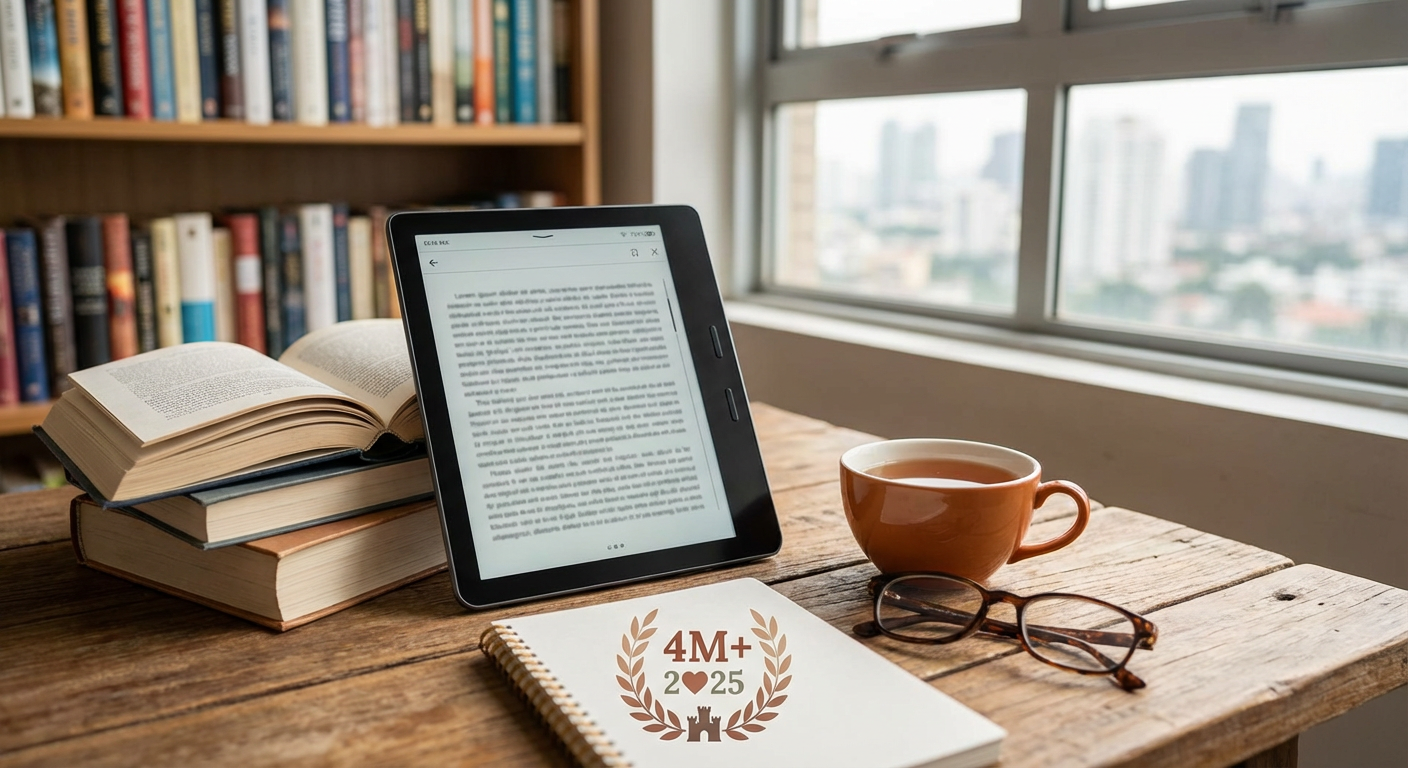
Amazon’s Kindle Unlimited subscription service crossed 4 million subscribers globally in 2025. Four million people paying monthly for unlimited reading access. Romance and fantasy together account for over 60 percent of the pages being consumed on those accounts. This tells me something: people aren’t just reading. They’re reading voraciously, gravitating toward genres that give them escape, world-building, and immersion. In a fragmented media landscape, sustained reading has become almost countercultural.
The Illustrated Edition Argument (Yes, We’re Still Having It)
Now comes the part where I get genuinely opinionated, and I’m betting you have thoughts too. The Colorsoft’s color capability reignited something that’s been simmering in book communities since long before October 2024: the question of what counts as real reading. Graphic novels. Illustrated editions. Children’s picture books in full color. The discourse exploded across Goodreads and BookTok throughout late 2024 and into 2025, and honestly, I found it exhausting and necessary at the same time.
Here’s my hot take, delivered with all the generosity I can muster: reading is reading. There. I said it. The person who reads 200 pages of a gorgeously illustrated fantasy novel is having a different experience than someone consuming the same story in plain text, but it’s not a lesser experience. It’s just different. Visual literacy is literacy. Cognitive engagement with text plus image is still cognitive engagement. The gate-keeping impulse is understandable, maybe even rooted in something nostalgic and precious that I genuinely respect. But it’s also needlessly small.
What the Colorsoft actually represents is permission. Permission to read in whatever format feeds your particular brain. Permission to choose a book because the illustrations call to you. Permission to read children’s picture books as an adult without anyone suggesting you’re not reading “real” books. For people who process information better with visual accompaniment, this technology is genuinely liberating.
Curating Your Reading Path in 2025
If you’re considering joining the Colorsoft queue (and honestly, fair play if you are), I want to offer you a framework for thinking about what this device could mean for your actual reading life. Because a new gadget is only as good as the intentional choices we make once we own it.
Start by being honest about what you actually read now. Are you a comfort-reread person or a voracious new-release chaser? Do you love illuminated manuscripts and illustrated covers so much that you’ve been forcing yourself through black-and-white text versions of stories that exist in color? Are you someone who’s been meaning to return to reading but got intimidated by screens? These questions matter more than the device. The Colorsoft isn’t a magic solution to reading slumps. It’s a tool that might align better with how you actually think.
Then consider sequencing. This is where I get properly nerdy. If you’re going to own a color e-reader, which books should you actually read on it first? I’m voting for illustrated fantasy novels, graphic memoirs, and those gorgeous annotated editions of classics that used to live on your shelf looking too precious to touch. Don’t waste the technology on standard prose you could read just as easily in black and white. Use it to revisit books you loved as a child but thought you’d outgrown. Use it to read genre fiction that’s been gorgeously designed and deserves the full visual treatment.
What This Means for How We Read Going Forward
The Colorsoft’s success signals something bigger than a single product launch. Reading culture is fractured in interesting ways right now. We have BookTok driving print sales to record highs. We have Kindle Unlimited creating an entirely different publishing ecosystem where rapid release schedules and serialized storytelling thrive. We have e-readers gaining traction specifically among the demographic least expected to prefer them. And now we have a color display that validates what some readers have been asking for: the option to experience stories in formats that feel richer, more varied, more honestly reflective of how books actually exist in the world.
None of this means print books are disappearing. None of it means phones will stop trying to distract you from reading. But the gatekeeping around what counts as real reading might finally be loosening. The Colorsoft is just the hardware. The real shift is cultural.
I’m genuinely curious where you stand on all of this. Are you a dedicated e-reader person, or do you need the weight of paper in your hands? Have you thought about illustrated editions differently since seeing them on color screens? And honestly, if you do manage to snag a Colorsoft, I want to know which book you read first on it. That choice feels significant somehow, like a vote for what you believe reading can become.
