
When Literary Darlings Leave You Cold
I need to confess something that feels almost blasphemous in bookish circles: I couldn’t finish The Goldfinch. There, I said it. Donna Tartt’s Pulitzer Prize winner sits on my shelf with a bookmark stuck around page 200, a monument to my literary failure. But here’s the thing I’ve learned after years of forcing myself through books that weren’t working: sometimes the most honest thing you can do as a reader is admit defeat.
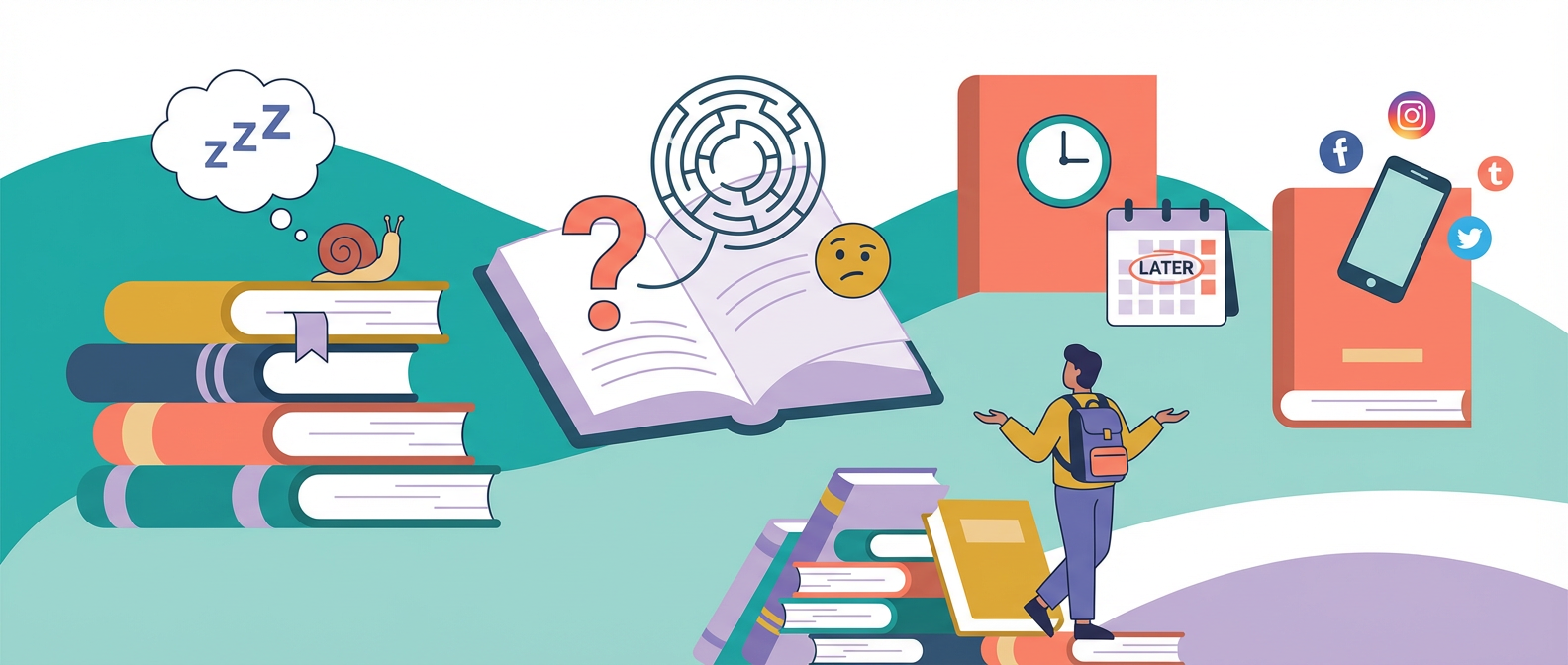
The pressure to finish every book we start runs deep in reading culture. We treat DNF (Did Not Finish) like a scarlet letter, as if our inability to connect with a beloved book reflects poorly on our intelligence or dedication. But I’ve come to believe that knowing when to walk away is actually a sign of reading maturity. It means you understand your own relationship with books well enough to recognize when that relationship isn’t working for you.
With The Goldfinch, my issue wasn’t with Tartt’s undeniable skill or the book’s emotional weight. The problem was pacing. I found myself drowning in beautiful but endless descriptions, waiting for the story to find its footing. Other readers rave about getting lost in Tartt’s rich prose, but I felt genuinely lost, not transported. Sometimes the gap between a book’s reputation and your personal reading experience is simply too wide to bridge.
The Hype Machine Casualties
Social media has created a weird reading phenomenon: books that become so universally praised that not loving them feels like a personal failing. Where the Crawdads Sing was my most recent victim of hype backlash. Everyone from my book club to my Instagram feed was raving about Delia Owens’ nature writing and the mystery at the novel’s heart. I made it through about half before realizing I was hate-reading, which is never a good sign.
The issue wasn’t the writing itself, though the dialogue felt stilted to my ear. It was the disconnect between what I was promised and what I was experiencing. The lyrical nature writing that others found transporting struck me as overblown. The mystery elements felt manipulative rather than compelling. Most importantly, I realized I was reading it for the wrong reasons: to be part of a conversation rather than for my own enjoyment.
This taught me something important about my reading habits. I’m much more likely to bounce off books when I’m reading them because I feel I should, rather than because I want to. The best reading experiences happen when your personal curiosity aligns with a book’s offerings. You can’t force that chemistry to exist.
Genre Mismatches and Personal Blind Spots
Some of my DNF decisions have revealed uncomfortable truths about my reading preferences. I’ve started and abandoned three different Ursula K. Le Guin novels, despite knowing she’s a master of science fiction and fantasy. Each time, I hit a wall around the 100-page mark, not because the books were poorly written, but because my brain doesn’t seem wired for certain types of world-building.
This realization was initially crushing. Le Guin’s reputation as a thoughtful, feminist science fiction writer made me feel like I should connect with her work. But after my third failed attempt with The Left Hand of Darkness, I had to accept that sometimes our reading DNA just doesn’t match up with certain authors, no matter how much we respect their craft.
Similarly, I’ve never successfully finished a Haruki Murakami novel, despite starting four different ones over the years. His surreal, dreamlike narratives that enchant so many readers leave me feeling unmoored in an unpleasant way. I can appreciate the artistry intellectually, but emotionally, I’m left cold. These experiences taught me that reading preferences aren’t moral judgments. They’re simply preferences.
The Timing Problem
Sometimes the issue isn’t the book at all, but when you encounter it. I attempted A Little Life by Hanya Yanagihara during a particularly stressful period at work, thinking a powerful literary novel would provide the escape I needed. Instead, I found myself emotionally overwhelmed by page 50. The book’s unflinching examination of trauma and friendship, which would later prove deeply meaningful to other readers, was simply too much for where I was mentally.
I’ve learned to pay attention to what I call “reading seasons.” There are times when I crave challenging literary fiction, and times when I need the comfort of a familiar mystery series. There are periods when I’m open to experimental narrative structures, and periods when I need straightforward storytelling. Recognizing these rhythms has made me a more intentional reader and, weirdly, a more adventurous one.
The same book that defeats you in January might become a favorite in July. Circe by Madeline Miller sat unfinished on my nightstand for months before I picked it up during a beach vacation and devoured it in two days. The story hadn’t changed, but my receptiveness to its mythological reimagining had shifted completely.
Making Peace with the Incomplete
The most liberating realization I’ve had as a reader is that not finishing a book doesn’t diminish either the book or my experience with it. Some of my most vivid reading memories come from books I abandoned. I still think about the opening chapters of 2666 by Roberto Bolaño, even though I never made it past the critics’ section. Those pages gave me something valuable, even if they didn’t give me a complete story.
I’ve started keeping a separate list of my DNF books, not as a hall of shame but as a record of where my reading interests intersect with my limitations. Looking at this list over time has revealed patterns that help me make better book choices. I now know to approach highly experimental fiction with caution during busy periods, and to save emotionally demanding reads for when I have the mental space they require.
The goal isn’t to finish every book we start, but to be honest about our reading experience. Sometimes that means pushing through a challenging section because you trust the journey. Sometimes it means recognizing that this particular journey isn’t for you, at least not right now. Both choices require self-awareness and courage.
What books have you walked away from, and what did those decisions teach you about yourself as a reader? I’d love to hear about your own DNF stories and whether they’ve changed how you approach new books. After all, sometimes the books we don’t finish tell us just as much about our reading lives as the ones we do.
