
When Forgetting Is Actually Remembering
Here’s something that will make you question everything you thought you knew about literary taste: most of the books we consider “forgotten gems” are forgotten for excellent reasons. I know this sounds harsh, especially coming from someone who just spent three hours in a used bookstore specifically hunting for obscure 1970s science fiction paperbacks. But stick with me here, because understanding why certain authors fade from memory is actually the key to discovering writers who deserve to be pulled back into the light.
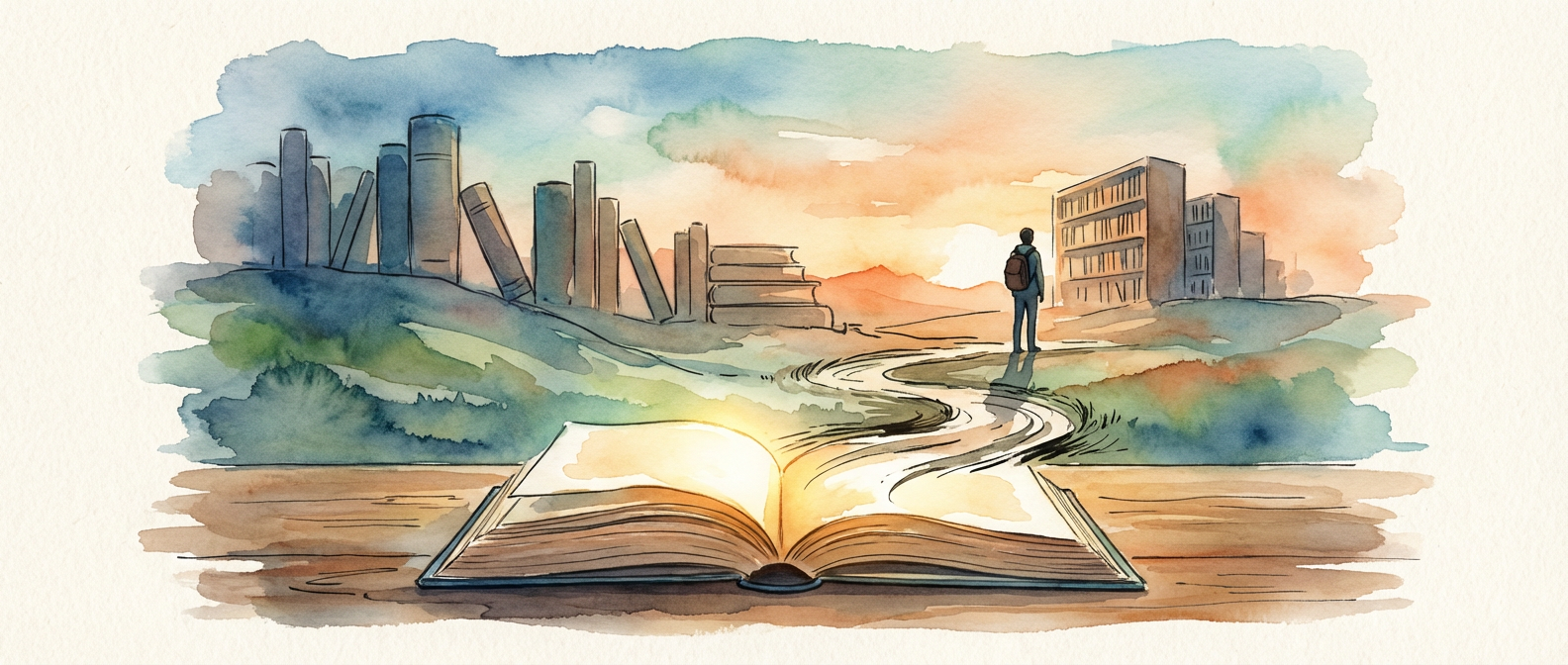
The Deserved Obscurity Test sounds simple, but it’s actually pretty complex. When you stumble across a book by an author you’ve never heard of, ask yourself: what forces conspired to bury this work? Was it terrible marketing, bad timing, or shifting cultural tastes? Or was it something more fundamental about the writing itself? The difference matters tremendously, because it determines whether you’ve found a treasure or just expensive kindling for your fireplace.
I started thinking about this after finding a pristine first edition of Margaret St. Clair’s “The Shadow People” at an estate sale. St. Clair was a prolific science fiction writer whose work appeared regularly in the major magazines of the 1950s and 60s, yet she’s virtually unknown today. Reading her, I realized her obscurity wasn’t about gender bias in the genre or lack of promotion. Her prose was workmanlike rather than memorable. Her ideas were derivative rather than innovative. She deserved her fade into obscurity, even as other women science fiction writers of her era have been rightfully rediscovered.

The Archaeology of Literary Taste
I think of forgotten authors as archaeological sites. Some are buried under the accumulated sediment of changing fashion but contain genuine artifacts worth preserving. Others are buried because they were never particularly valuable to begin with. The trick is learning to excavate carefully, looking for the telltale signs that distinguish buried treasure from buried refuse.
Context is everything here. When Dawn Powell started getting serious critical attention in the 1990s, decades after her death, it wasn’t because her books had somehow improved with age. Powell had always been a brilliant satirist with a gift for capturing the absurdities of American social climbing. She was forgotten because her particular brand of wit fell out of fashion, not because the wit itself was lacking. Her rediscovery made sense because the foundation was solid.
Compare this to someone like Grace Metalious, whose “Peyton Place” was a massive bestseller in 1956 but reads today like a particularly overwrought soap opera. Metalious wasn’t forgotten because of literary snobbery or changing tastes. She was forgotten because beneath the scandalous surface, there wasn’t much substance to sustain long-term interest. The archaeology here reveals not buried treasure but the remains of something that was always more cultural phenomenon than lasting art.
The Warning Signs and Green Flags
After years of digging through literary rubble, I’ve learned to recognize certain patterns. Authors who were wildly popular in their time but completely disappeared often suffered from what I call “zeitgeist dependency.” Their work was so tied to specific cultural moments that it couldn’t survive the transition to new eras. Think of most bestsellers from the 1970s that tried to capture the “spirit of the times.” They captured it so completely that they became museum pieces rather than living literature.
The green flags are subtler but more reliable. Look for writers who were respected by their peers but never quite achieved massive popular success. Check if their work influenced other writers, even if the general public moved on. Pay attention to authors whose books were reprinted by small presses or academic publishers decades after their initial publication. These are often signs that someone with good taste recognized lasting value beneath the dust.
Technical skill often ages better than topical relevance. I recently discovered Elizabeth Taylor (the British novelist, not the actress), whose precise, psychologically acute short stories from the 1940s and 50s feel more contemporary than most fiction written in the last decade. Her obscurity stemmed from being overshadowed by flashier contemporaries and sharing a name with a Hollywood icon, not from any deficiency in her craft.
The Community of Forgotten Readers
One of the most reliable ways to find authors who deserve rescue from obscurity is to follow the breadcrumbs left by other readers who’ve done the work. Not the obvious breadcrumbs like bestseller lists or major award winners, but the subtle ones. Which authors get mentioned in passing in the acknowledgments of books you love? Who shows up in the footnotes of literary criticism? Which names appear in the influences cited by writers whose work you admire?
Online communities have made this kind of literary archaeology more accessible than ever. Websites like LibraryThing and Goodreads contain reading lists from people with seriously deep knowledge. Follow users whose taste aligns with yours and pay attention to the authors they rate highly but review infrequently. These are often the hidden gems they assume everyone already knows about.
University press catalogs are another goldmine. Academic publishers often reprint authors whose work has scholarly value but limited commercial appeal. If Yale University Press or New York Review Books thinks an author is worth reviving, there’s usually substance behind the decision. They’re not in the business of nostalgia for its own sake.
The Joy of Justified Rescue
The most satisfying discoveries happen when you find an author whose obscurity feels like a historical accident rather than a judgment. Last year I stumbled across Richard Yates through a random recommendation, even though he wrote “Revolutionary Road,” which was made into a major film. Somehow Yates had slipped through the cracks of my literary education. Reading his work felt like discovering a master craftsman whose tools had been left in perfect condition, waiting for someone to appreciate the precision of his technique.
These discoveries remind us that literary culture is messier and more arbitrary than we like to admit. Reputation often depends as much on timing, luck, and cultural politics as on actual merit. The authors who survive aren’t necessarily the best ones. They’re just the ones who happened to align with the right forces at the right moments.
But here’s what I’ve learned from years of literary excavation: the process of searching is often more valuable than what you find. Learning to distinguish between deserved and undeserved obscurity trains your taste in ways that reading the established canon can’t. It teaches you to trust your own judgment while remaining skeptical of received wisdom. Most importantly, it reminds you that reading is an active, participatory process rather than passive consumption of pre-approved culture.
What forgotten authors have you rescued lately? I’m always looking for recommendations from fellow archaeological enthusiasts, especially if you can make a compelling case for why their obscurity was undeserved. The best part of literary archaeology isn’t the solitary digging but sharing what you’ve unearthed with people who understand the thrill of discovery.
